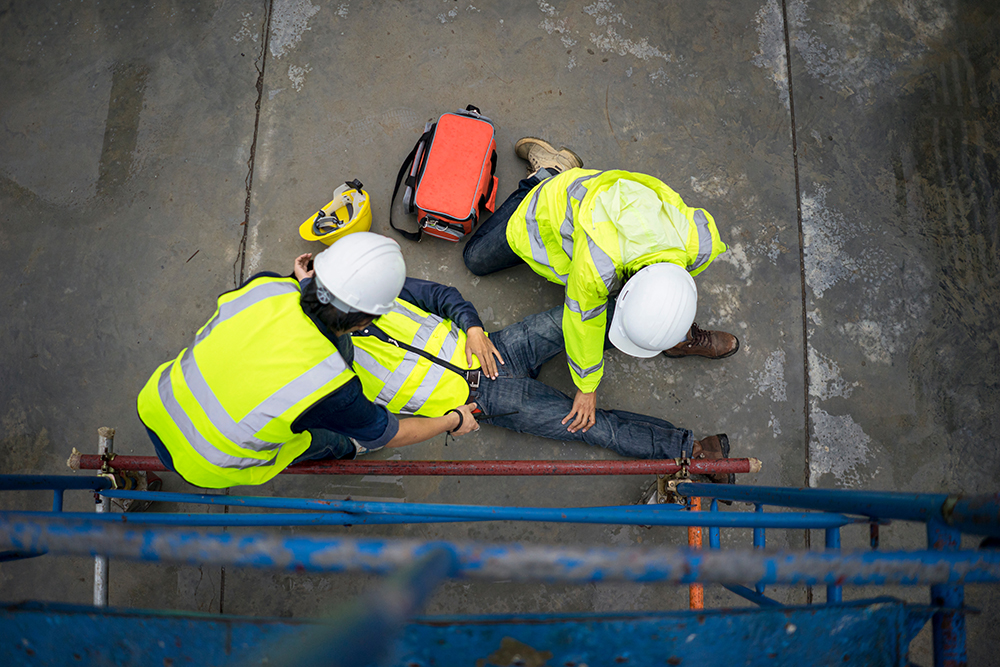
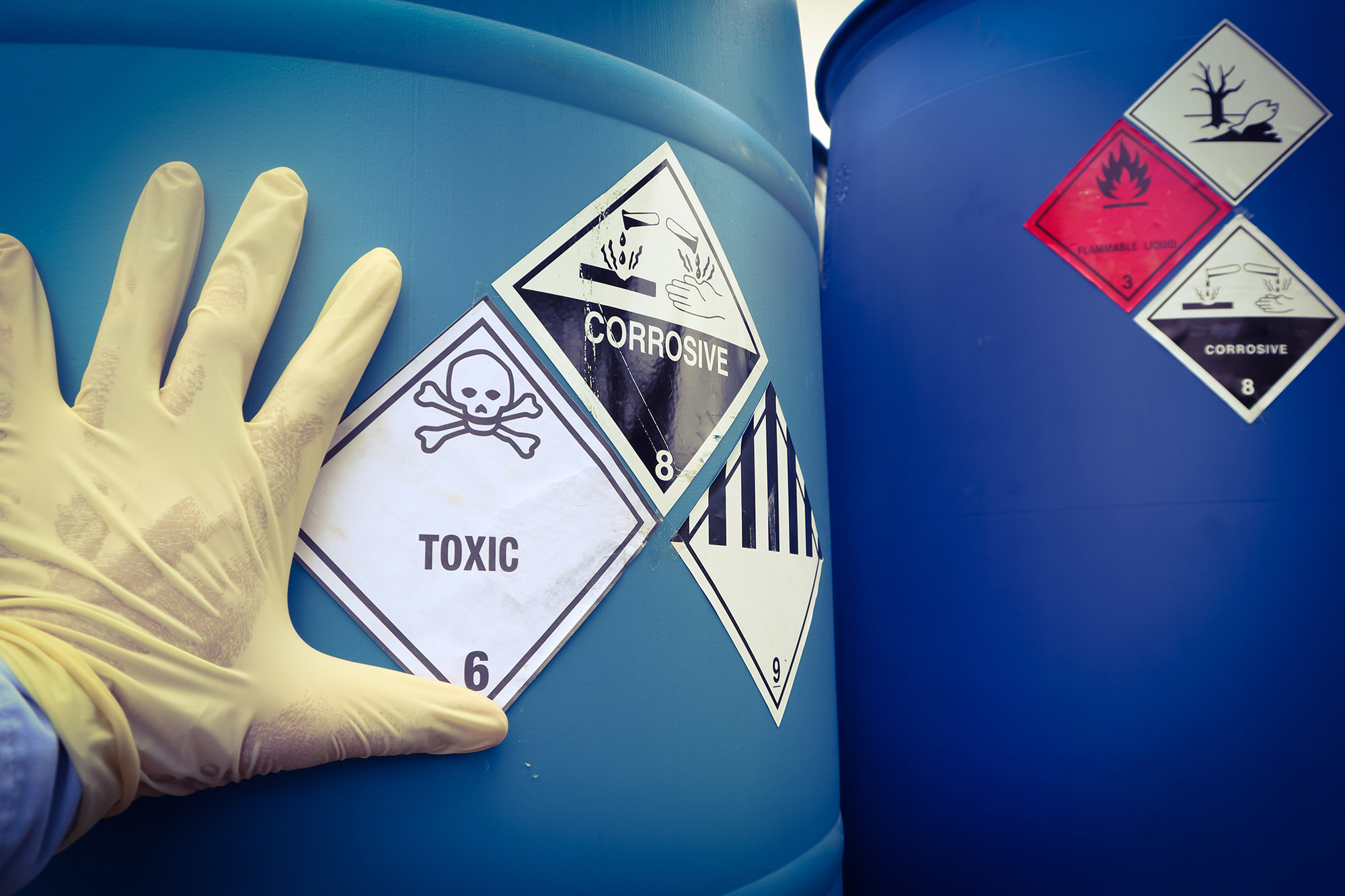
Why is RIDDOR important? Accident reporting is a vital aspect of workplace safety, and the Reporting of Injuries, Diseases and Dangerous Occurrences Regulations (RIDDOR) plays a crucial role in this process. RIDDOR is a legal requirement in the United Kingdom, established by the Health and Safety Executive (HSE) to ensure that companies record and report specific work-related incidents. This blog will explore the significance of RIDDOR in accident reporting and its impact on workplace safety.
Understanding RIDDOR
RIDDOR requires employers, self-employed individuals, and people in control of work premises to report work-related accidents, diseases, and dangerous occurrences that result in injury, incapacitation, or death. The regulations aim to identify potential hazards and prevent future incidents by ensuring that companies take appropriate safety measures.
Promoting a Safe Working Environment
One of the main reasons RIDDOR is essential is its role in promoting a safe working environment. By mandating the reporting of accidents, diseases, and dangerous occurrences, RIDDOR helps identify trends and patterns in workplace incidents. This information enables companies and regulatory authorities to develop and implement targeted safety measures to prevent future accidents and protect workers.
Legal Compliance and Consequences
Failure to comply with RIDDOR can result in severe legal consequences for companies, including fines and prosecutions. By adhering to RIDDOR regulations, businesses can avoid these potential penalties and maintain a positive reputation. Compliance with RIDDOR also demonstrates a company's commitment to health and safety, which can contribute to employee satisfaction and retention.
Informing Health and Safety Policies
RIDDOR plays a significant role in shaping health and safety policies at both the company and national level. The data collected through RIDDOR reports helps inform best practices and safety guidelines, ensuring that companies have access to up-to-date information to create effective safety policies and procedures. This, in turn, contributes to a safer working environment for employees.

What Needs to be Reported Under RIDDOR
The following is an overview - you can find more detailed information in the official guidance from the HSE here.
1. Deaths: If someone has died as a result of a work-related accident, it must be reported. This includes fatalities that occur on the job or due to work-related activities.
2. Injuries Incapacitating Workers: Reportable incidents also include injuries that incapacitate a worker for at least seven days. These injuries can range from minor to major and have a significant impact on the worker's ability to carry out their job duties.
3. Significant Injuries: RIDDOR requires the reporting of significant injuries that are considered severe or incapacitate a worker for seven days or more. These injuries may have long-term consequences or result in an extended absence from work.
4. Injuries to the Public or Non-Employees: Incidents involving injuries to members of the public or individuals who are not employees should also be reported under RIDDOR. This ensures that all injuries related to work activities, regardless of the individual's employment status, are properly documented.
RIDDOR is crucial in accident reporting because it promotes a safe working environment, ensures legal compliance, and informs health and safety policies. Adhering to RIDDOR regulations is essential for any business that values employee safety and aims to maintain a positive reputation within their industry. By understanding and implementing RIDDOR, companies can contribute to a safer workplace for all employees and protect their business from the consequences of non-compliance.

To learn more about the Health and Safety needs of your business, contact us at Ardent Safety. Please get in touch for more details or call 01229 808320. You can also keep up with the latest from Ardent Safety on our Facebook page.