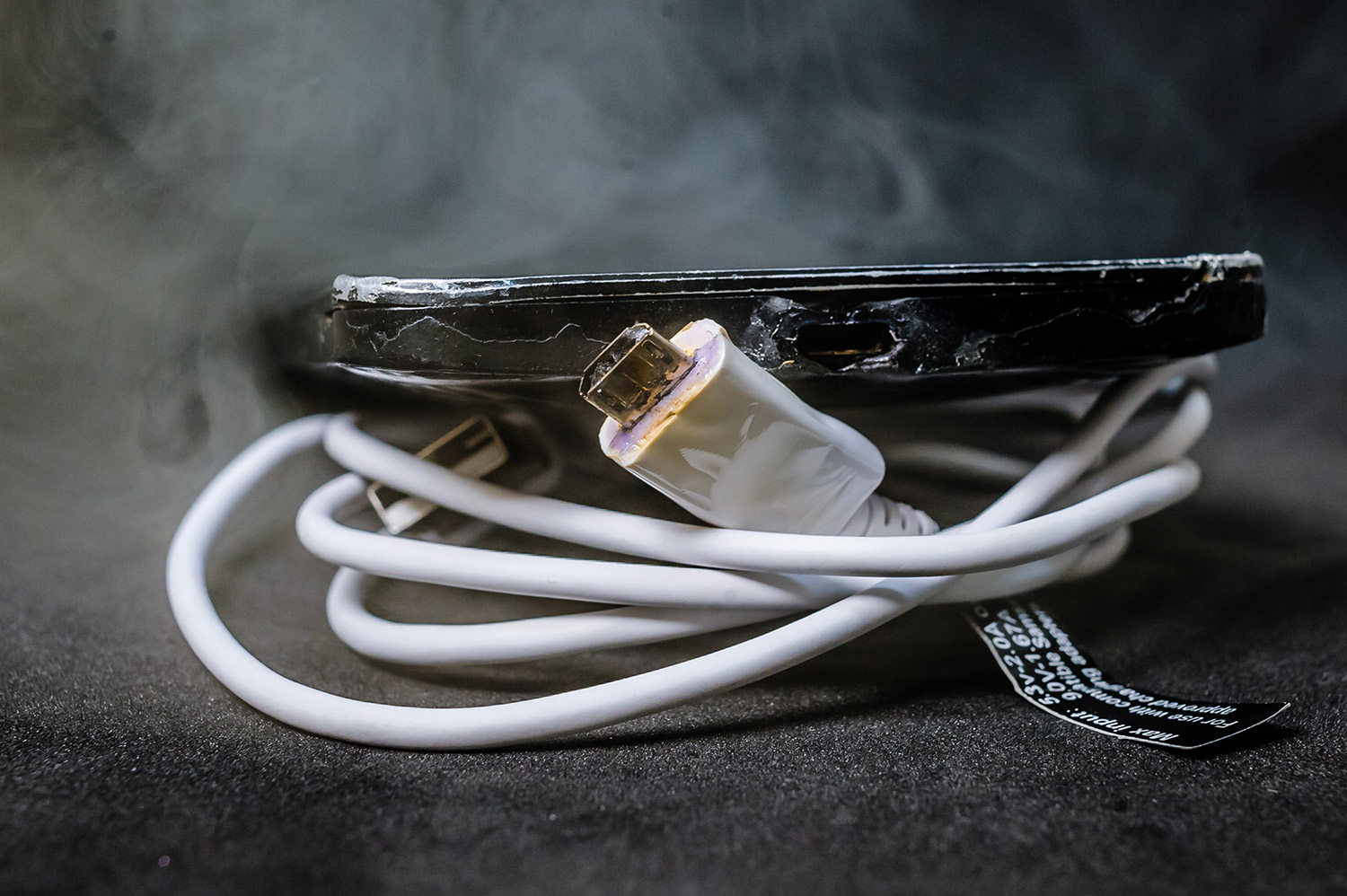
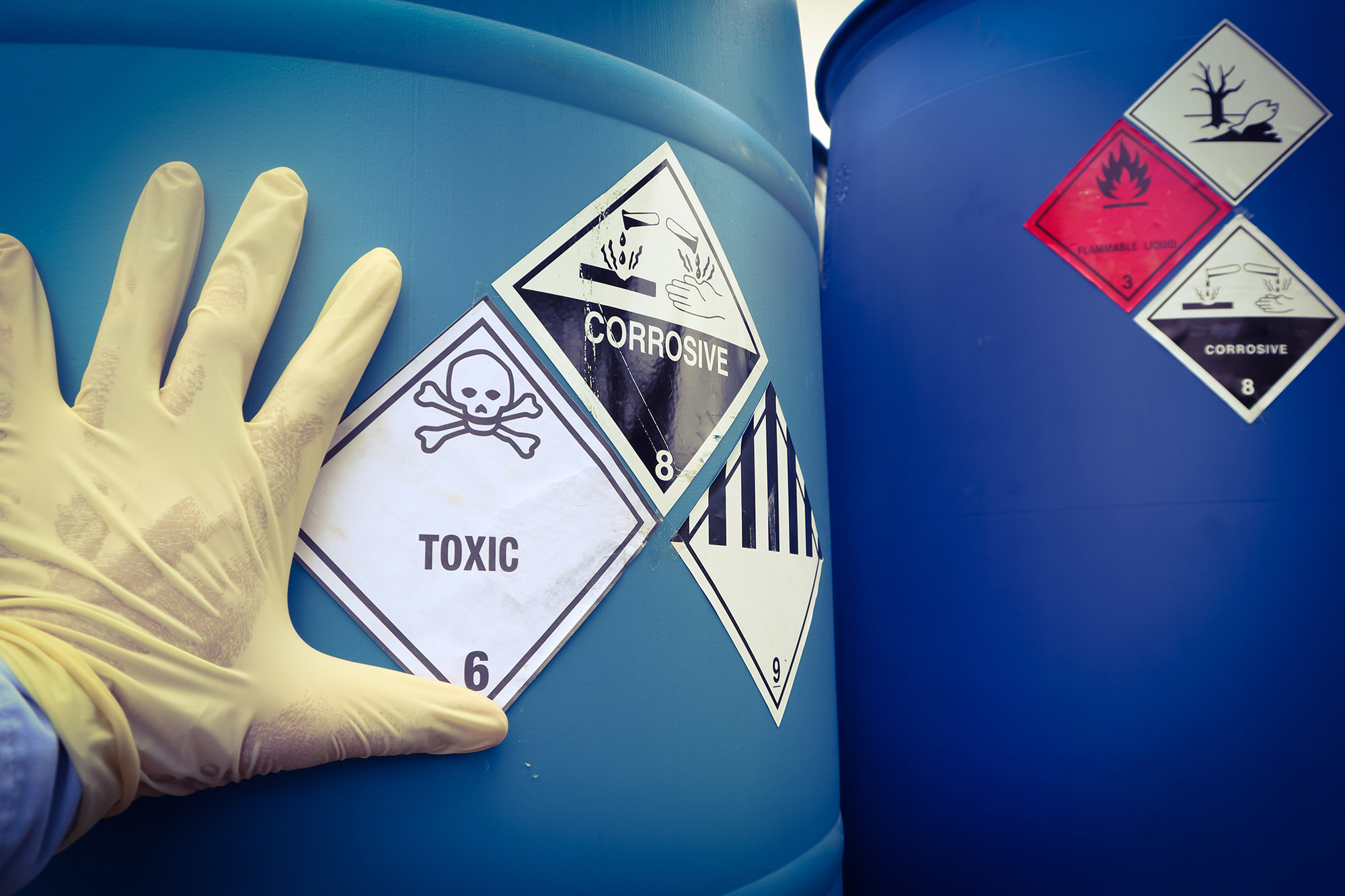
Lithium‑ion batteries power a huge percentage of the tech that we rely on daily. This can be smartphones and laptops to e‑bikes, power tools and even some household appliances too. The ability of these batteries to store a large amount of energy in a compact, lightweight form is what makes modern life more convenient. BUT it’s also what contributes to lithium battery fire risks. This is an issue that is becoming more and more important for both businesses and individuals to understand.
Lithium batteries are obviously designed to be safe. But like any energy‑dense technology, they can become hazardous due to a number of factors. These include being damaged, poorly manufactured, charged incorrectly, or exposed to extreme conditions. When something goes wrong inside the battery - for example, if the internal components short‑circuit - heat can build rapidly.
In the worst cases, this can lead to thermal runaway. This is where the battery overheats uncontrollably and may ignite or even explode. This is one of the primary lithium battery fire risks affecting both workplaces and homes.
Part of the challenge is that these batteries are in pretty much everything we use day to day. We carry them in our pockets, keep them on our desks, and store them in our vehicles. If they're handled in the wrong way these devices which are designed to make life easier can actually spell serious danger. Faulty chargers, crushed batteries, exposure to moisture, or even leaving devices under pillows or on sofas and beds can increase lithium battery fire risks without us realising it.
Fortunately though, there are simple and effective steps that can massively reduce these dangers:
- Use quality chargers from reputable suppliers and avoid cheap, untested alternatives.
- Check devices regularly for swelling, overheating, or unusual performance issues.
- Avoid overcharging by unplugging devices once they reach full capacity.
- Store batteries properly, keeping them away from heat sources and direct sunlight.
- Dispose of damaged batteries safely, using local recycling facilities rather than just chucking them in the bin.
Businesses should also ensure staff receive proper training on safe charging, storage, and emergency procedures. A small amount of awareness goes a long way in cutting lithium battery fire risks and keeping people safe.
By understanding how these batteries work - and how to handle them responsibly - we can continue to enjoy all the benefits of modern tech... without compromising our safety!
Our monthly fire safety support package could be perfect for you if your workplace is struggling with fire safety. Banish stress and leave it to the pros! And don't forget to follow us on Facebook for more safety insights - we'll see you there.