First Aid essentials – could you save a colleague’s life in an emergency?
Emergencies happen when we least expect them but knowing what to do could be the difference between life and death. In a busy workplace, accidents are pretty much inevitable, but could you save a colleague’s life if the worst happened? Having basic first aid knowledge is an essential for everyone, not just for those with official training. Here’s what you need to know.
1. Know the basics of CPR
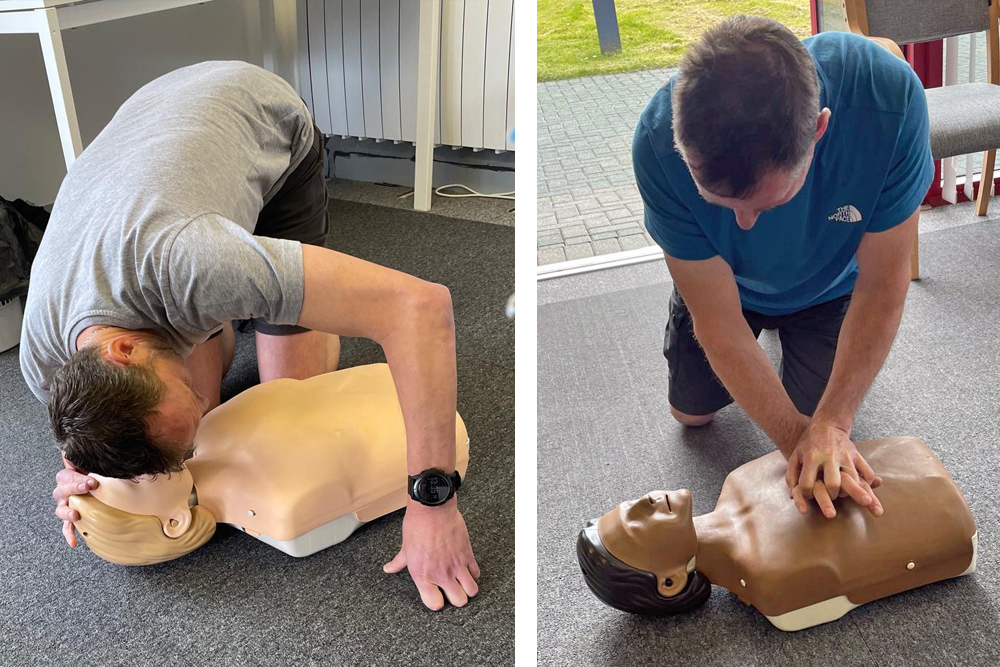
Cardiopulmonary resuscitation (CPR) keeps oxygenated blood flowing to vital organs when someone’s heart or breathing has stopped. To perform CPR, push hard and fast on the centre of the chest and alternate with rescue breaths if trained. Could you save a colleague’s life by performing CPR confidently? CPR buys valuable time until emergency services arrive, and we think it’s a crucial skill that everyone should have.
2. Learn how to use a defibrillator
A defibrillator is a life-saving device used to shock the heart back into a normal rhythm after cardiac arrest. Most modern defibrillators provide clear, step-by-step voice prompts, making them easy to use even if you’re not a professional. Could you save a colleague’s life by quickly grabbing and using a defibrillator? Having the confidence to act without hesitating could make all the difference.
3. Treating burns effectively
If someone suffers a burn at work, the first step is to cool the burn under cool running water for at least 10 minutes. Cover it with a sterile dressing and don’t use ointments or creams. Could you save a colleague’s life by providing proper burn treatment? Speedy action can prevent infection and limit damage, especially with severe burns.
4. Caring for deep cuts and wounds
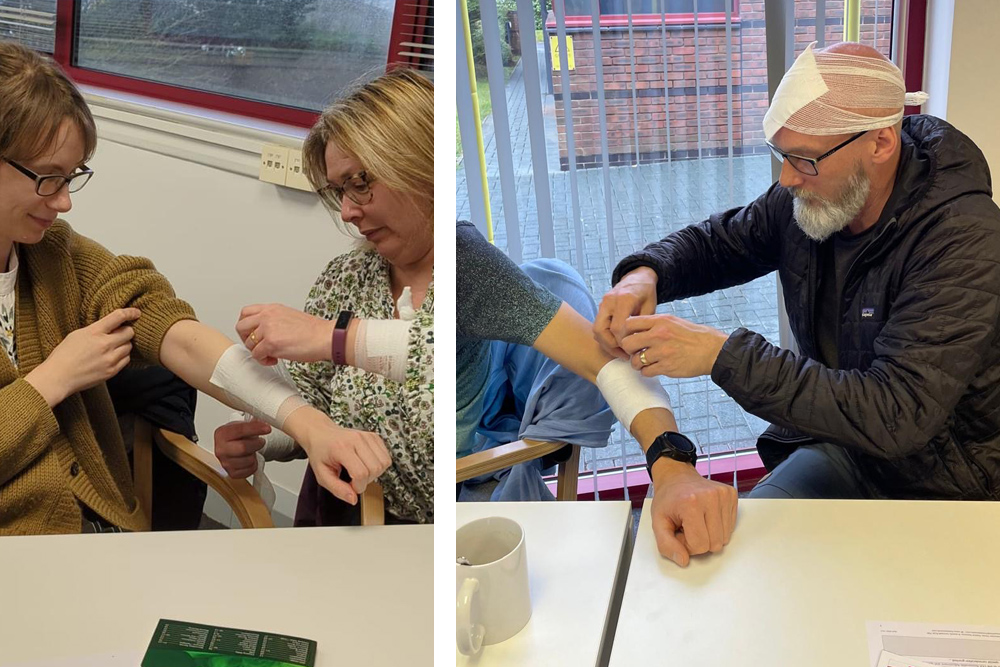
For deep cuts, apply pressure to the wound to stop the bleeding, then cover it with a sterile bandage. Elevate the injured area if possible – this slows the blood flow. Could you save a colleague's life by knowing how to treat a serious cut? Quick action reduces the risk of severe blood loss and helps stabilise the situation until professional help arrives.
5. Responding to falls
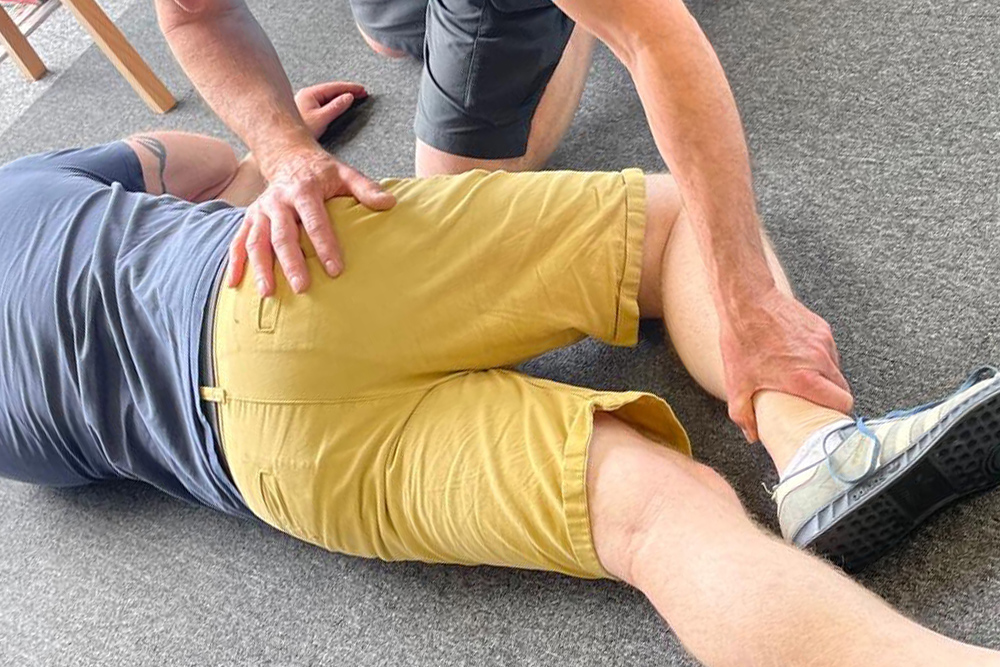
If a colleague falls, check for serious injuries like broken bones or head trauma. Keep them still and comfortable and call for medical help if it’s needed. If they’re conscious, try to reassure them to keep them calm. Could you save a colleague’s life by responding appropriately to a fall? Handling the situation with care can prevent further injury and ensure a smoother recovery.
How we can help:
At Ardent Safety we offer a range of comprehensive first aid training courses designed to equip you with the skills and confidence to respond in an emergency. Whether you need paediatric first aid for working with children, emergency first aid at work for those unexpected incidents, or the more in-depth first aid at work course for nominated first-aiders, we’ve got you covered. These courses provide hands-on training, so you’ll know exactly what to do when it matters most.
First aid training isn’t just a box-ticking exercise - it’s about being ready for the unexpected. Could you save a colleague’s life if it happened today? If the answer is no, it’s time to learn the essentials. After all, you never know when you might need them.
Find out more about our First Aid courses here – and don’t forget to follow us on Facebook for news on all our latest courses.