Fire safety changes for 2025 - what your business NEEDS to know
Why fire safety is changing
Fire safety laws in the UK are evolving in 2025, and it’s not just a box ticking exercise. These updates are genuinely designed to protect lives, improve building safety, and respond to lessons learned from past tragedies like Grenfell. If you run a business, manage a building, or work in construction or facilities, these changes affect you.
Key changes you should know about
1. New fire testing standards
The UK is phasing out the old BS 476 fire testing system. From March 2025, the European BS EN 13501 standard took over. This means that fire-resistant materials have now got to meet stricter, more modern testing criteria. If you’re involved in building design or refurbishment, you've got to make sure your specs are up to date.
2. Sprinklers in new care homes
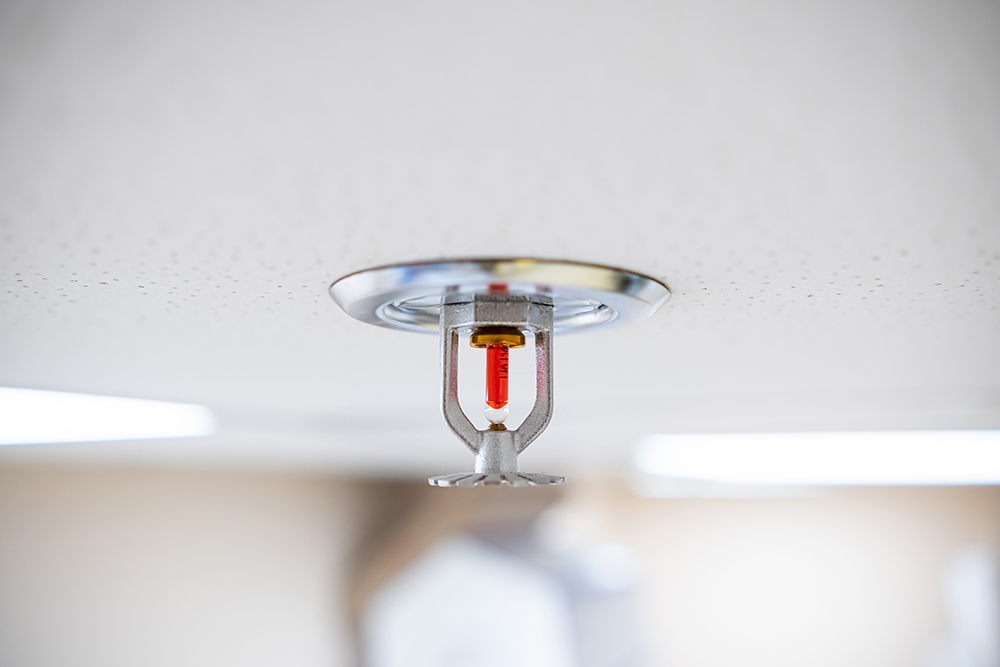
All newly built care homes in England must now have sprinkler systems installed. ANd this is regardless of height. This rule also applies to any major refurbishments. It’s a direct response to concerns that have been raised about evacuating vulnerable residents safely.
3. Personal Emergency Evacuation Plans (PEEPs)
By law, businesses have now got to create PEEPs for anyone who might struggle to evacuate during a fire. And this includes people with disabilities or mobility issues. These plans really need to be tailored to the person, practical to implement - and they should be coordinated with fire services if that's needed.
4. Ban on the old type AFFF fire extinguishers
Aqueous Film Forming Foam (AFFF) extinguishers are now banned as of July 2025. That's because they contain harmful PFAS chemicals. Businesses must now replace them with eco-friendly alternatives. As well as this they should dispose of old units through licensed waste services.
What should you do in your workplace now?
- Review your fire risk assessment. Make sure it reflects your workplace's current setup and adheres with the new rules.
- Check the equipment in your workplace. Replace any banned extinguishers and ensure your systems meet the new standards.
- Create or update PEEPs. Identify who needs help evacuating and put clear plans in place.
- Train your team. Staff should know how to use new equipment and follow updated evacuation procedures.
Final thoughts
These changes aren’t optional. They’re actually legal requirements that could affect your insurance, liability, and, definitely most importantly, people’s safety. Staying ahead of the curve means fewer risks, better protection, and peace of mind for you and your staff.
If you need help taking the stress out of fire safety, our Fire Safety Support Package could be the one for you! Get in touch today to find out more - and don't forget to follow us on social media for more workplace safety tips and advice.