The Covid pandemic sparked a real shift when it comes to home working. These days employees continue to move to home or hybrid working. As a result it’s absolutely vital for employers to recognise that health and safety for home workers is just as important as it is in the office. Whether your team is working from home all the time or splitting their time between the office and home, you've got the same responsibility for their wellbeing. Ok so most risks to home workers are low, but there are a few key areas that you won't want to overlook if you're committed to keeping all workers safe.
Stress and mental health
Working from home can sometimes blur the lines between work and personal life, leading to stress and poor mental health. If staff don't actually exit an office building at the end of the day, the temptation can be there to stay in work mode even when it's supposed to be your staff's personal time. Employers should make sure they regularly check in with home workers to see how they’re managing their workload - and find out how they’re feeling in general. Encourage staff to take regular breaks and make sure they have access to mental health support if needed. Open communication is absolutely key to managing the mental wellbeing of your team.

Safe use of equipment
Health and safety for home workers also means making sure they are using their equipment properly. Computers, laptops, and other work tools should be set up ergonomically so that strains or injury are off the cards. Simple things like adjusting screen height, using a proper chair, and taking short breaks from screen time can really add up to making a big difference. As an employer, it’s important to give guidance or training to your team on how to set up a safe home workspace, however trivial it may sound.
The home working environment
Not everyone’s home is set up for productive work. That's why it’s so important to consider the home environment as part of your risk assessment. For example, some employees might not have a quiet or suitable space to work. The kitchen table surrounded by breakfast dishes, kids toys and piles of laundry somehow just isn't the ideal setting for a productive morning! In such cases, offering staff the flexibility to come into the workplace can help. It could be for better focus, mental health, or simply a change of scenery.
Communication and flexibility
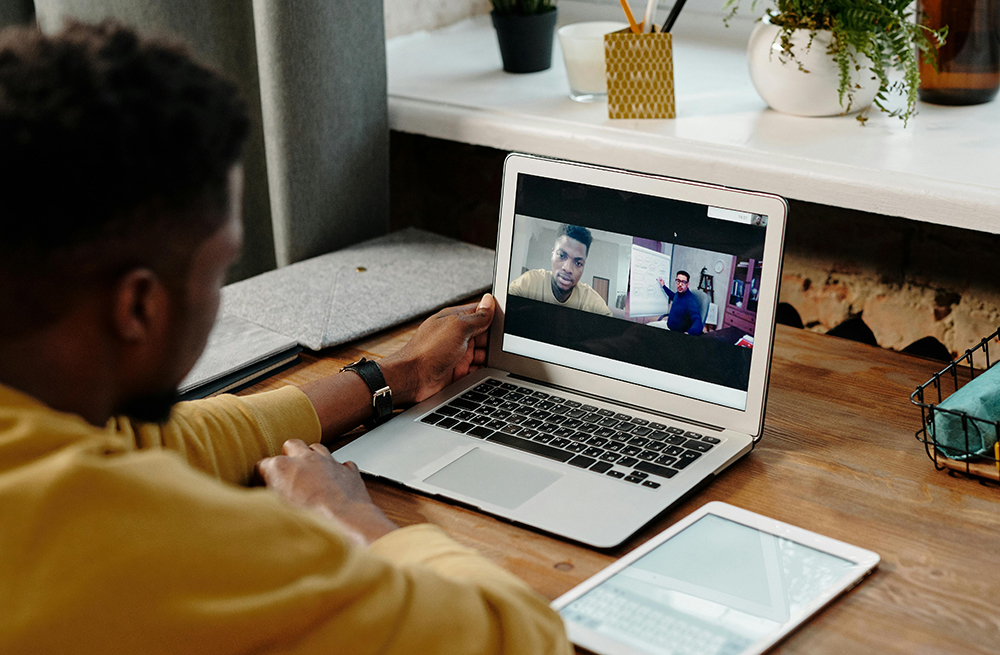
It’s crucial to talk to your staff about their home working arrangements. Keep that communication channel well and truly open. What works for one person might not work for another. Being flexible and understanding each individual's needs will help make sure the health and safety of your home workers is as good as it should be. It'll also boost their overall satisfaction and productivity.
Employees responsibility
It's not just the boss's job! Staff have to take responsibility when they're working at home too. Here's how you can help yourself:
Stay in regular contact with your manager and colleagues on the phone, email or on Teams to stay connected and share how you're feeling.
- Make sure you take regular breaks during the day.
- Set a clear WFH routine and stick to your working hours - essential for a healthy work-life balance.
- Make sure your workspace is safe - arrange your equipment properly, avoid trailing cables, and check that your plugs and wires are in good condition.
- Keep your work space tidy and light it well to avoid accidents and eyestrain.
At Ardent Safety, we offer comprehensive training and consultancy to help you meet your health and safety obligations, including those for home workers. Keeping your team safe, whether at home or in the office, is our top priority.
Don't forget to follow us on Facebook for more tips, advice and news...