The top 5 fire hazards in the workplace: are you putting your team at risk by ignoring these?
When it comes to the workplace, some fire hazards can be overlooked - until it’s too late. In the UK, thousands of workplace fires occur every year, and many of these could have been prevented with simple precautions. Whether you're managing an office, warehouse, retail space, or construction site - understanding the most common fire risks is absolutely essential for keeping your team safe and your business compliant with UK fire safety regulations.
Here are the top five fire hazards you should never ignore:
1. Faulty electrical equipment
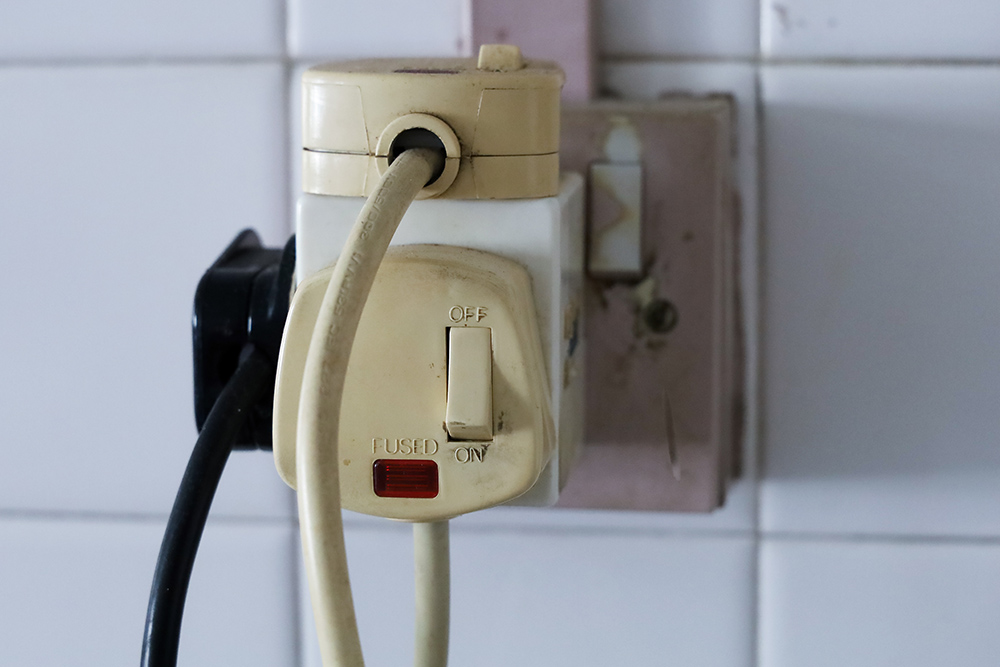
From overloaded extension leads to damaged plugs and outdated wiring, electrical faults are one of the leading causes of workplace fires. Common culprits include:
- Overloaded sockets
- Frayed cables
- Misused extension leads
- Unmaintained appliances
What you can do about it:
Carry out regular PAT (Portable Appliance Testing), ensure all electrical work is done by a qualified electrician, and encourage staff to report any damaged equipment straight away.
2. Incorrect storage of flammable materials
Many businesses - especially in manufacturing, hospitality, and cleaning industries - use flammable substances like solvents, oils, or paper products. Storing these materials incorrectly can be a recipe for disaster.
What you can do:
Store flammable items in designated, well-ventilated areas and away from heat sources. Use appropriate containers and ensure staff are trained in safe handling procedures.
3. Human error
It only takes one careless mistake to spark a fire. Common examples can include:
- Leaving cooking appliances unattended in staff kitchens
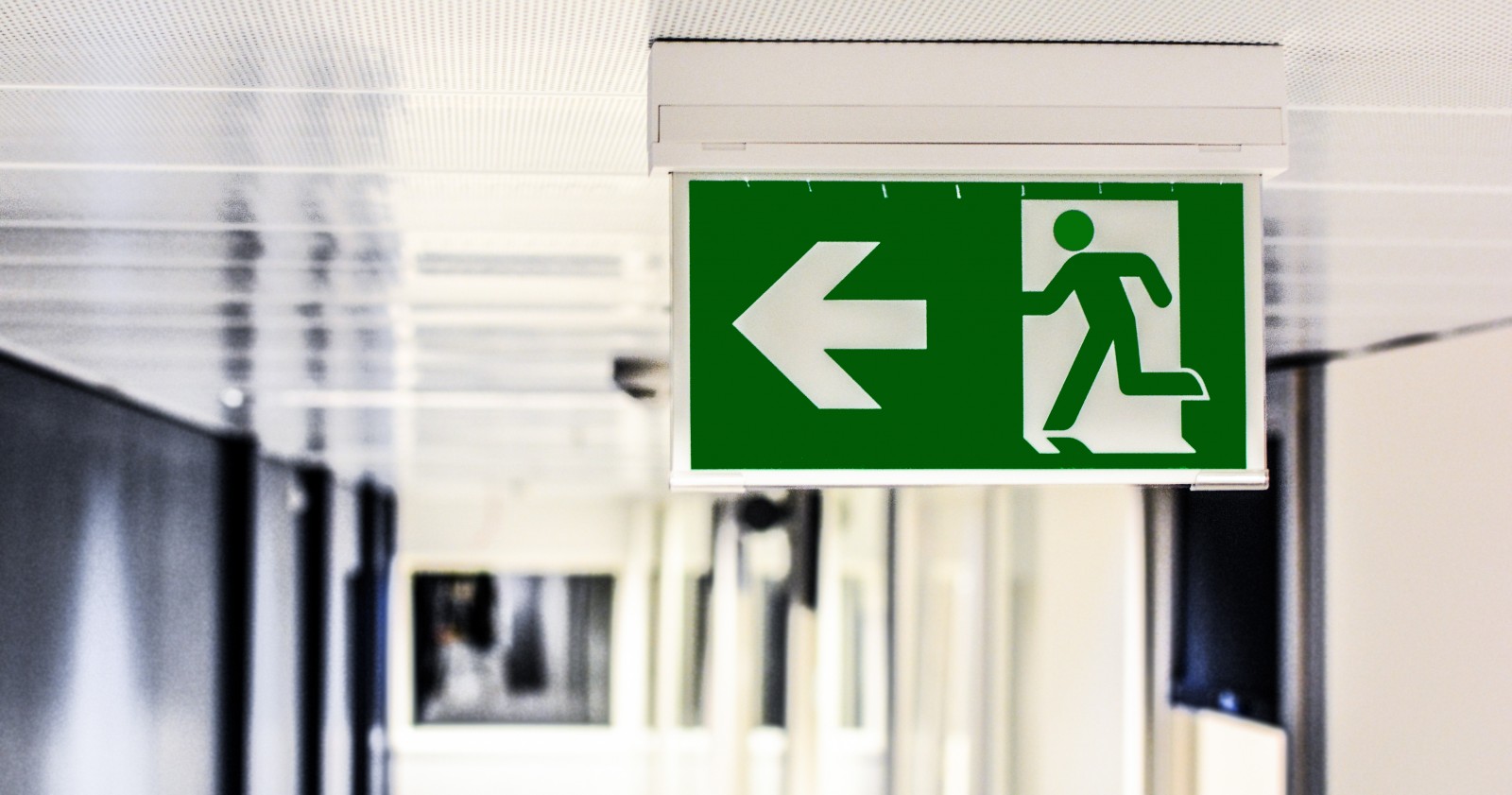
- Blocking fire exits
- Smoking in non-designated areas
What you can do:
Promote a strong fire safety culture in your workplace through regular training, clear signage, and routine fire drills. Make fire safety everyone’s responsibility.
4. Bad housekeeping
Cluttered workspaces, overflowing bins, and obstructed escape routes increase fire risk AND make evacuation more difficult in an emergency.
What you can do:
Implement a regular cleaning schedule, keep walkways and exits clear, and dispose of waste promptly and properly.
5. Lack of fire safety equipment or maintenance
Having fire extinguishers, alarms, and sprinklers is great - but they’re useless if they don’t work when you need them.
What you can do:
Make sure all fire safety equipment is regularly inspected and maintained. Fire alarms should be tested weekly, and extinguishers should be serviced annually by a competent person.
Final thoughts: don’t sit and wait for a wake-up call.
Fire safety isn’t just a box-ticking exercise - it’s a legal requirement under the Regulatory Reform (Fire Safety) Order 2005. More importantly, it’s about protecting lives and livelihoods.
Take a moment to assess your workplace. Are you unknowingly putting your team at risk? If any of these hazards sound familiar, it’s time to take action, like right now!
Need help with a fire risk assessment or staff training? We’re here to help. Ask us about our fire safety training and fire safety support package today.